
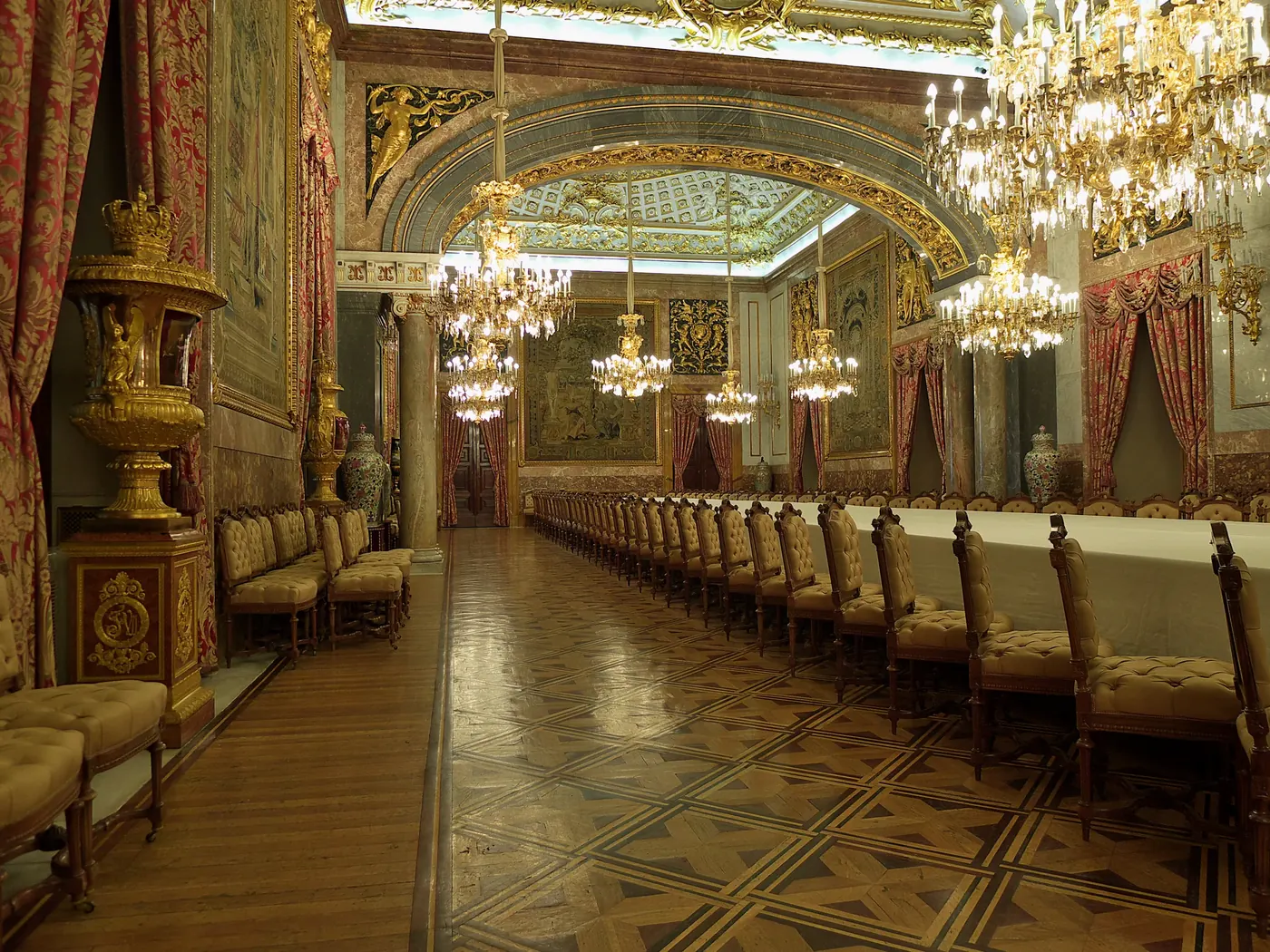
In the 18th century the Palacio Real de Madrid (Royal Palace of Madrid) had stone floors, even in the King’s private cabinets. Most of the parquet arrived with Alfonso XII. Between 1878 and 1885 his architect, José Segundo de Lema, laid parquet in several rooms and, in the State Dining Room, in place of the marble. The largest of those floors is the State Dining Room’s, which was first used half-finished at the King’s wedding and whose parquet was not completed until 1885. It is one of the cases in the best parquet floors in Spain.
A palace of stone
The Habsburg Alcázar partly burned on Christmas Eve 1734, and the fire served as an excuse to tear it down almost entirely. The new palace, to plans by Filippo Juvarra and his pupil Giovanni Battista Sacchetti, was built of masonry with vaults, so that it would not burn again.
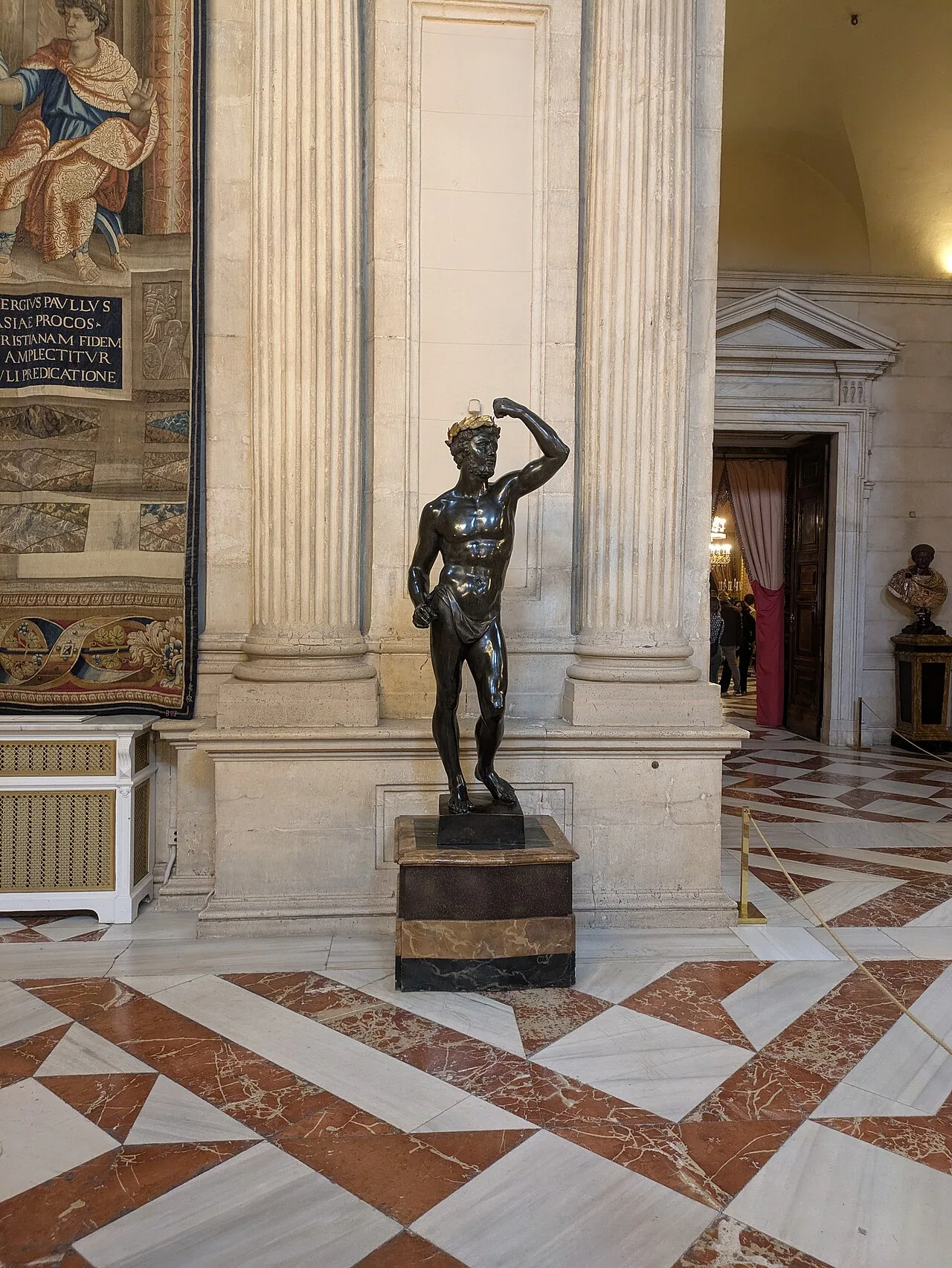
The floors followed the same rule. Those in Charles III’s cabinets were of jasper and colored marbles, according to the Instituto de Estudios Madrileños (Institute of Madrid Studies). In the Halberdiers’ Room the floor is Colmenar stone and red stone from El Molar.
Stone came back even after the parquet. In 1890 the Queen Regent ordered the clay tiles in the ground-floor rooms for foreign princes replaced with white marble from Barcelona. In those floors you can still see the holes where the winter carpets from the Real Fábrica de Tapices (Royal Tapestry Factory) were fastened.
The Gasparini Room
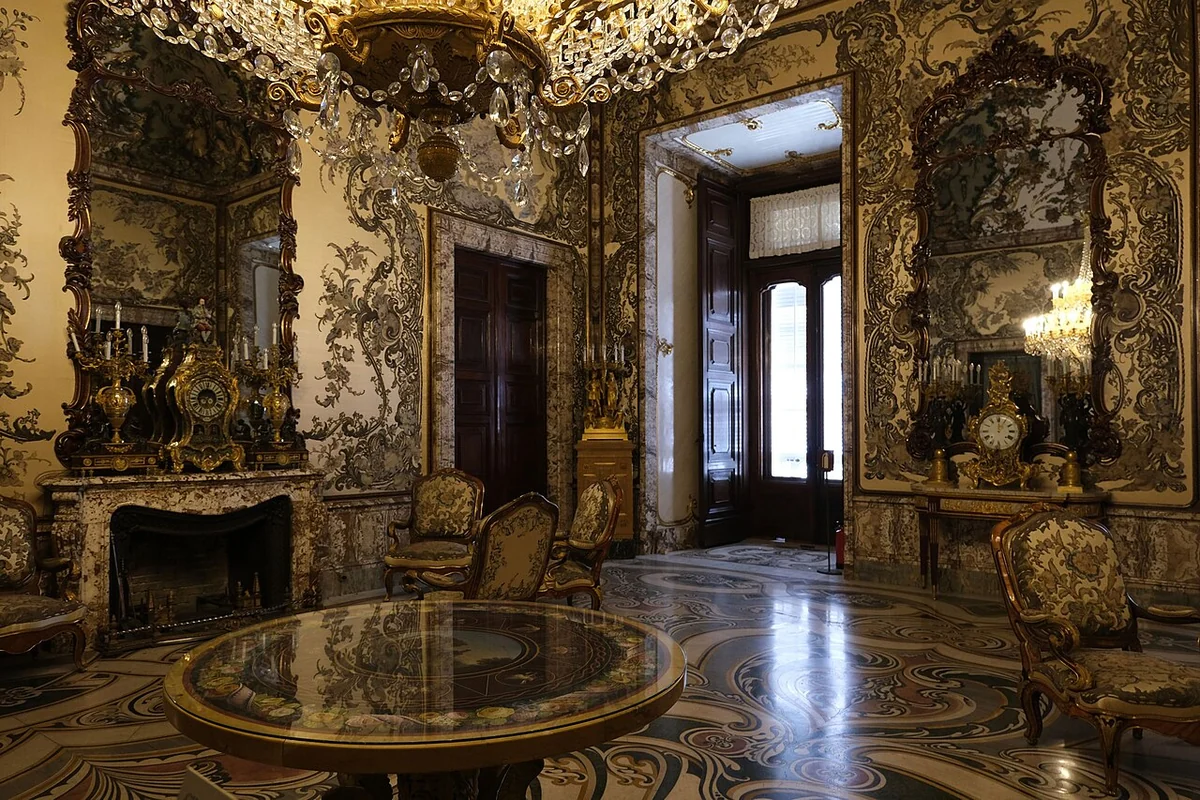
The finest example is the King’s chamber, which Mattia Gasparini designed in full for Charles III: floor, stucco vault, wall hangings and furniture. The floor is a marquetry of colored marbles, the work of Domenico Galeotti and Nicola Rappa, and in 1788, when the King died, it was, with the vault, the only part finished. The fine woods from the cabinetmaking workshop run by José Canops went into the furniture and the walls.
From marble to wood
Wood reached the floors in the 19th century. From the reign of Amadeo of Savoy, the parquet design for one of his rooms, the Corbella, survives. The big change was Lema’s work for Alfonso XII, and it started in the Royal Bedchamber: his parquet design was handed to Antonio Jorge in May 1878.
The historian José Luis Sancho, of Patrimonio Nacional (the Spanish royal heritage agency), reconstructed that work in 1990 from the accounts in the Archivo General de Palacio (General Palace Archive), room by room. The immediate cause, he writes, was the King’s second marriage. Besides the dining room and its neighboring rooms, Lema’s parquet designs survive for the Billiard Room and the Smoking Room. The floors of the Hall of Mirrors and of Charles IV’s bedroom were also changed to parquet.
The State Dining Room
Until 1879, court balls and banquets were held in the Hall of Columns, which has a stone floor. On August 16 of that year, Alfonso XII ordered a single room made from three rooms on the west facade: the Isabella the Catholic room and its two neighbors. Lema carried the load-bearing walls on segmental arches and left the vaults intact.
The marble floor of the three rooms was lifted. It was relaid, adapted, in the everyday dining room and in the Infanta Isabel’s Saleta and Cámara. In its place went a parquet of fine woods, the same one that links the dining room with the three rooms of the courtyard gallery. Sancho calls it a “ballroom and state dining room.”
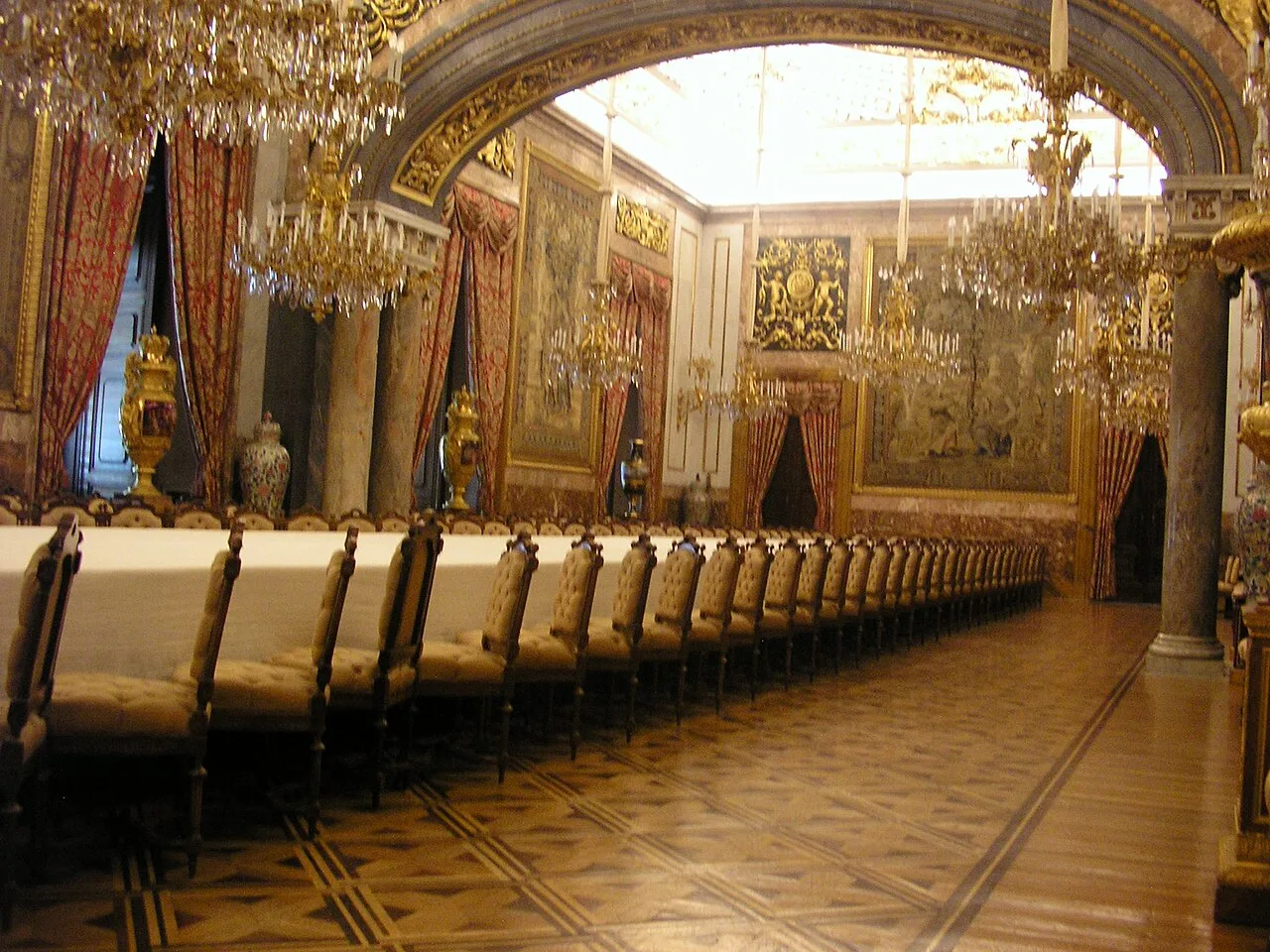
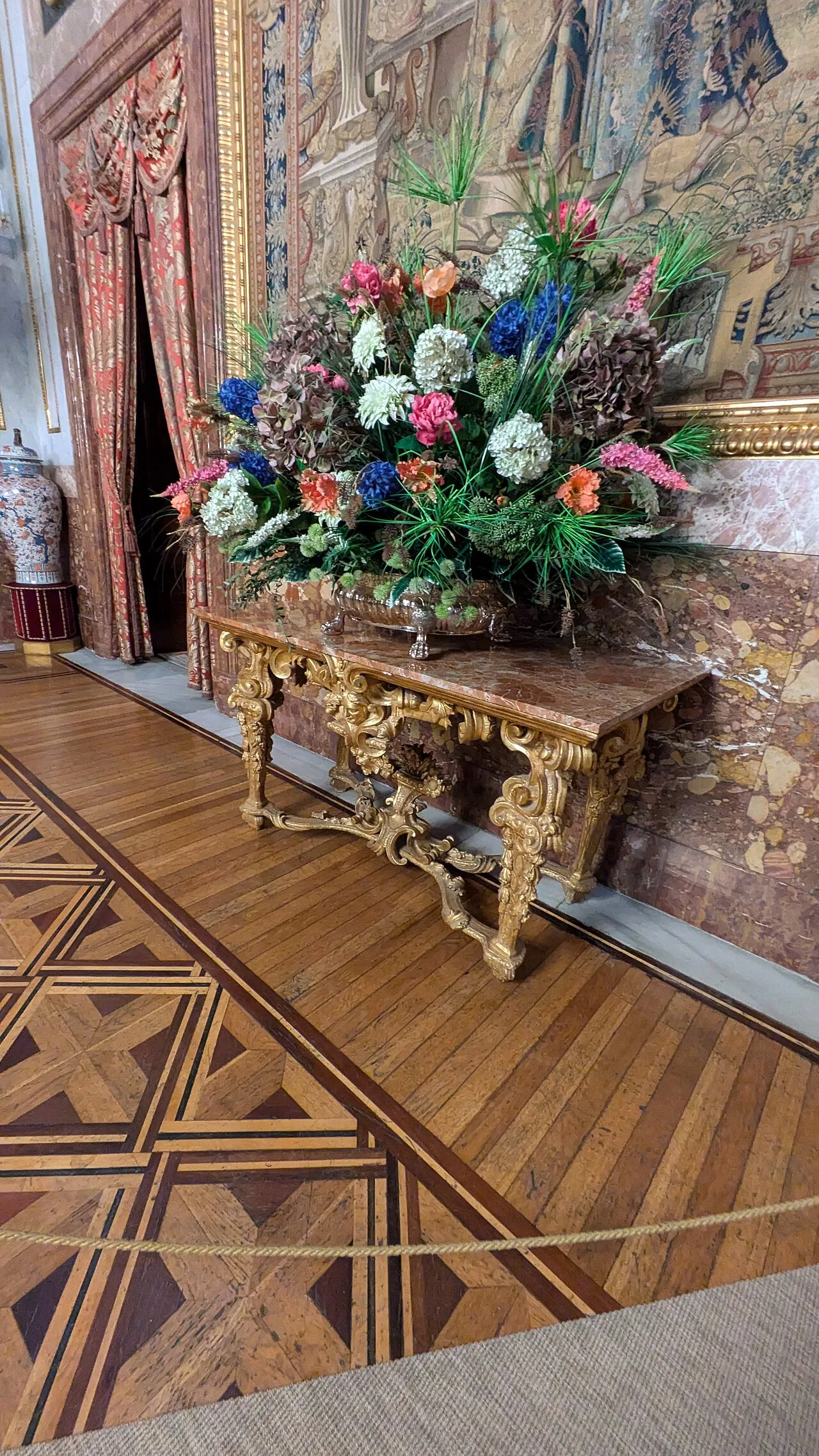
Today’s photos show a parquet of square panels with an inscribed diamond, separated by darker bands. Along the walls runs a band of boards. The woods are unknown. The room is still used for state lunches and dinners, with room for more than one hundred and forty guests.
A wedding on a half-finished floor
The dining room was inaugurated unfinished, for the King’s wedding to Maria Christina of Austria at the end of 1879, according to Patrimonio Nacional. The works had started in October. The large carpet meant to cover the wood floor had been ordered in September.
The parquet was not finished until 1885. The bill for the floor, by Manuel Genné, is dated December 7 of that year, days after the King’s death. With his death the decoration works in the palace stopped. The three neighboring rooms, also carved by Genné, were left in bare wood, without the planned gilding, and the dining room’s chandeliers took a long time to be hung.
The Queen was left a widow and regent, with a son not yet born. In a court in mourning, Sancho writes, the ballroom, the billiard room or the smoking room made little sense.
The Billiard Room
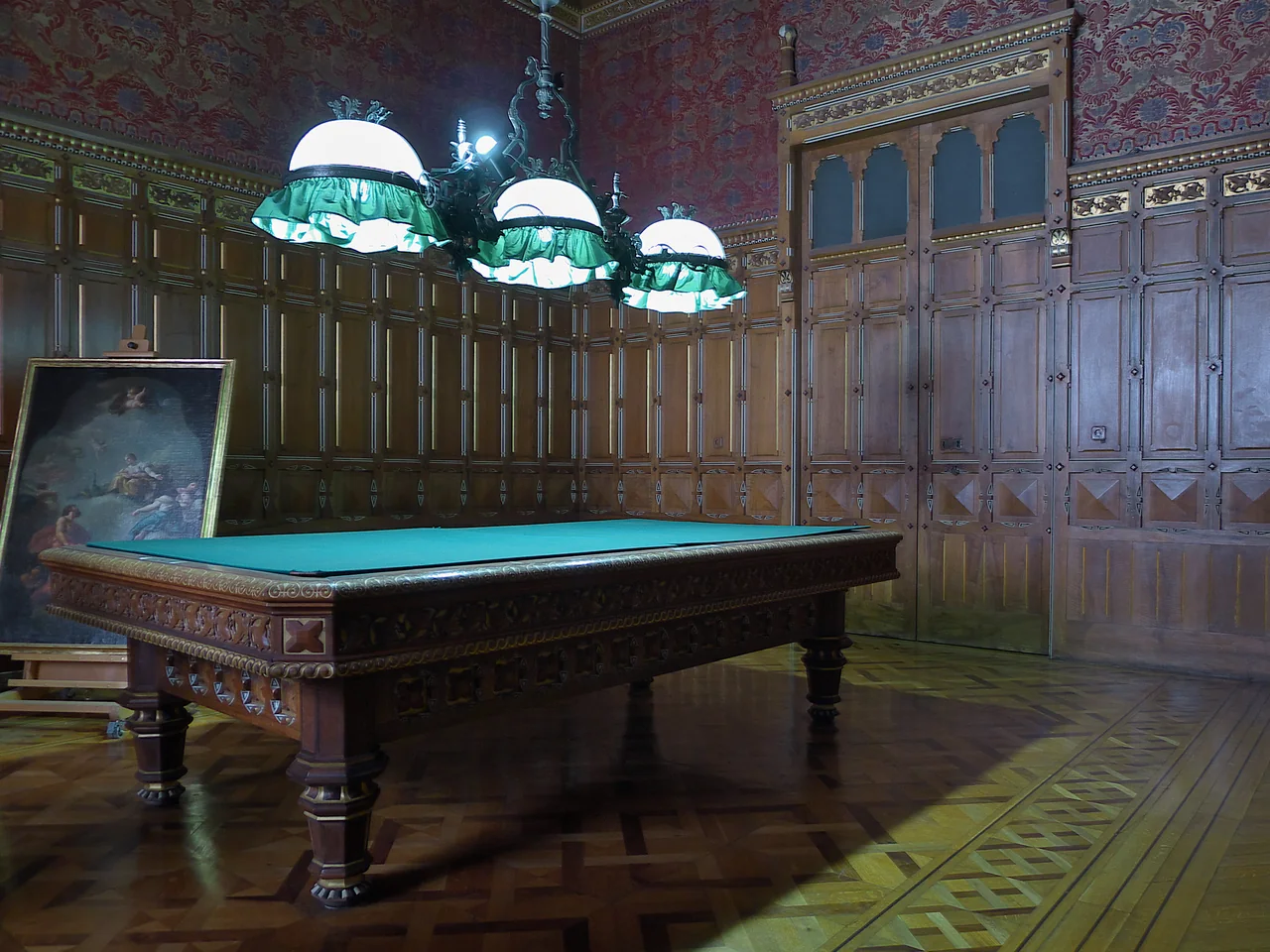
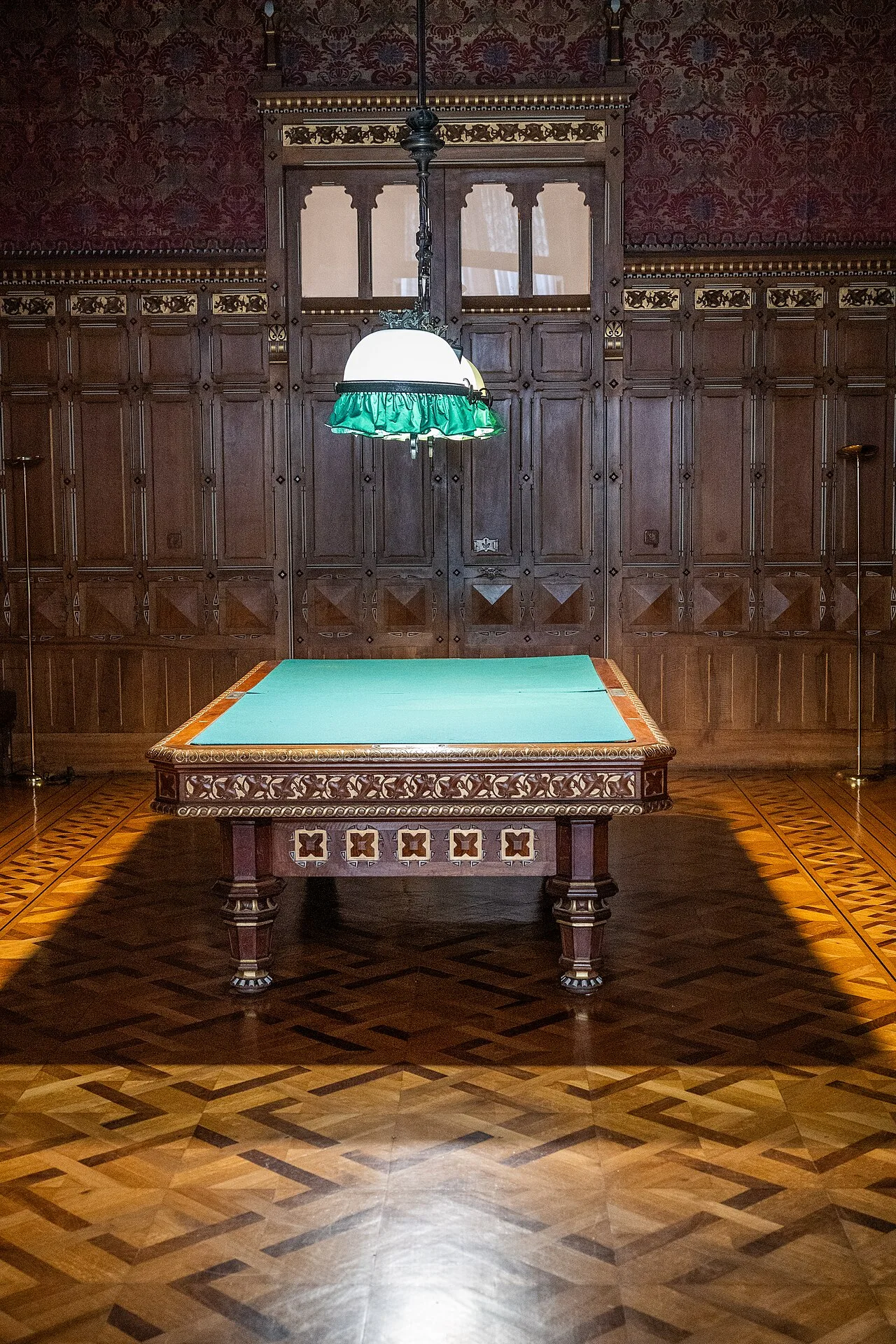
The Billiard Room was one of Queen Maria Luisa’s cabinets. Lema decorated it between 1879 and 1881 with English-inspired walnut paneling, made by the cabinetmaker Antonio Girón. Among his surviving drawings is the one for the parquet.
The floor is made of slat panels crossed by dark bands that form an interlace, with a perimeter band; its wood is unknown. Lema’s coffered ceiling hid for a century a ceiling painted by Mariano Salvador Maella around 1769. It came to light in 1987 and 1988, when the electrical wiring above the wood was replaced.
A shell in the Smoking Room
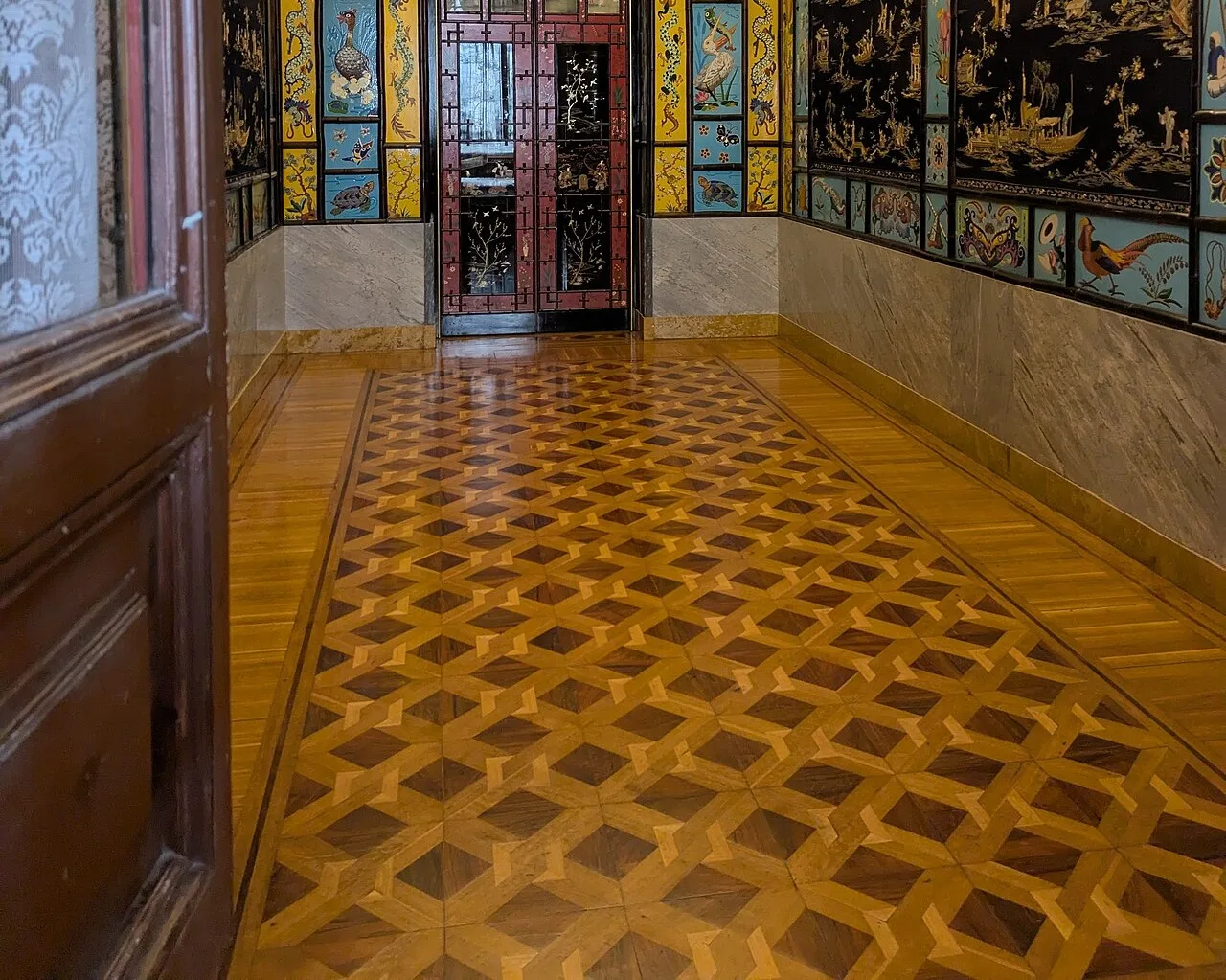
The Smoking Room, decorated in the Japanese style at the same time as the billiard room, had the Lema floor whose woods are best documented. Antonio Jorge made the floor of walnut, oak, plane and wood stained black, and two versions of the design survive: one with divans and one without.
The walls were panels of painted ceramic ordered from France. During the Civil War, an artillery shell came through the window and exploded inside. The decoration had to be dismantled, and by 1990 all that remained of the room was the corridor door and part of the window. In 2025 photos the room is seen reassembled, with ceramic and lacquer walls and a parquet of tumbling blocks in perspective.
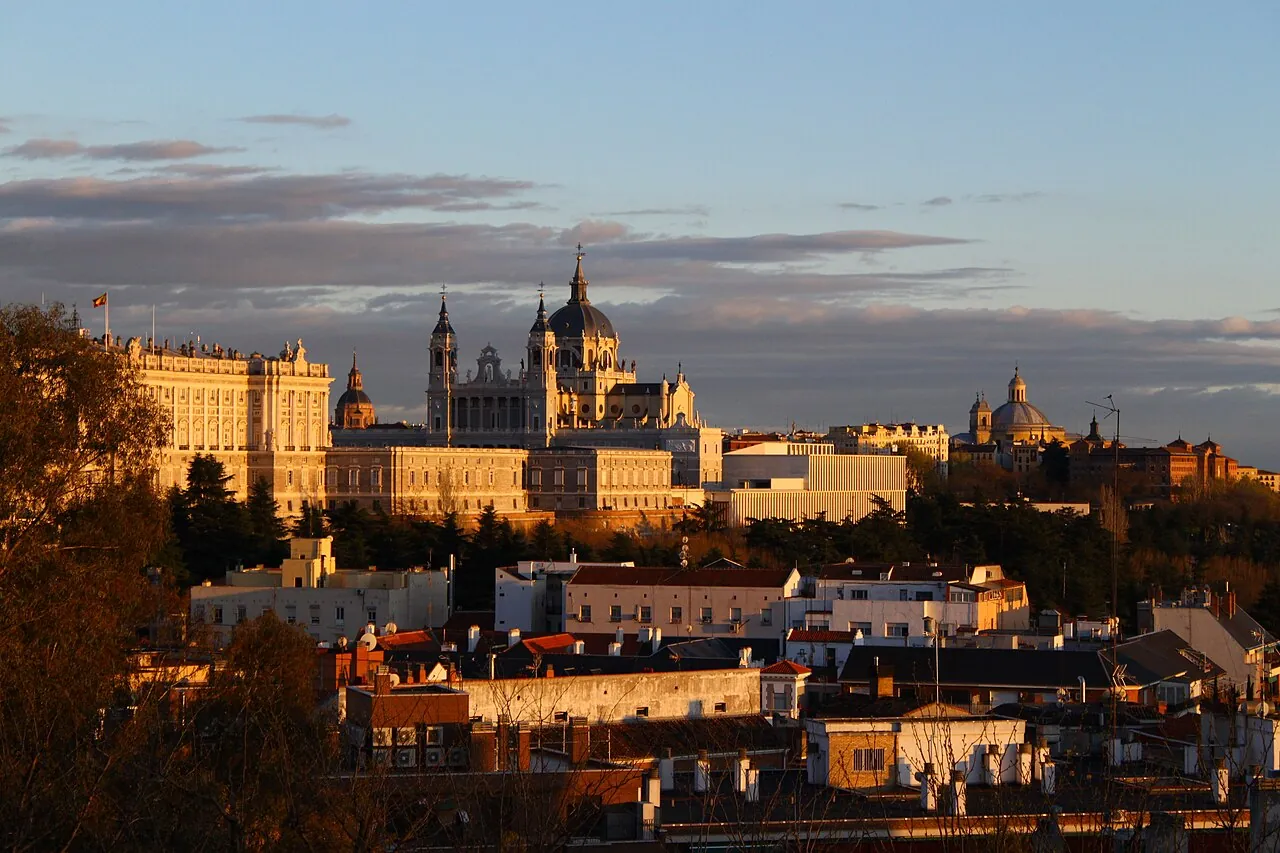
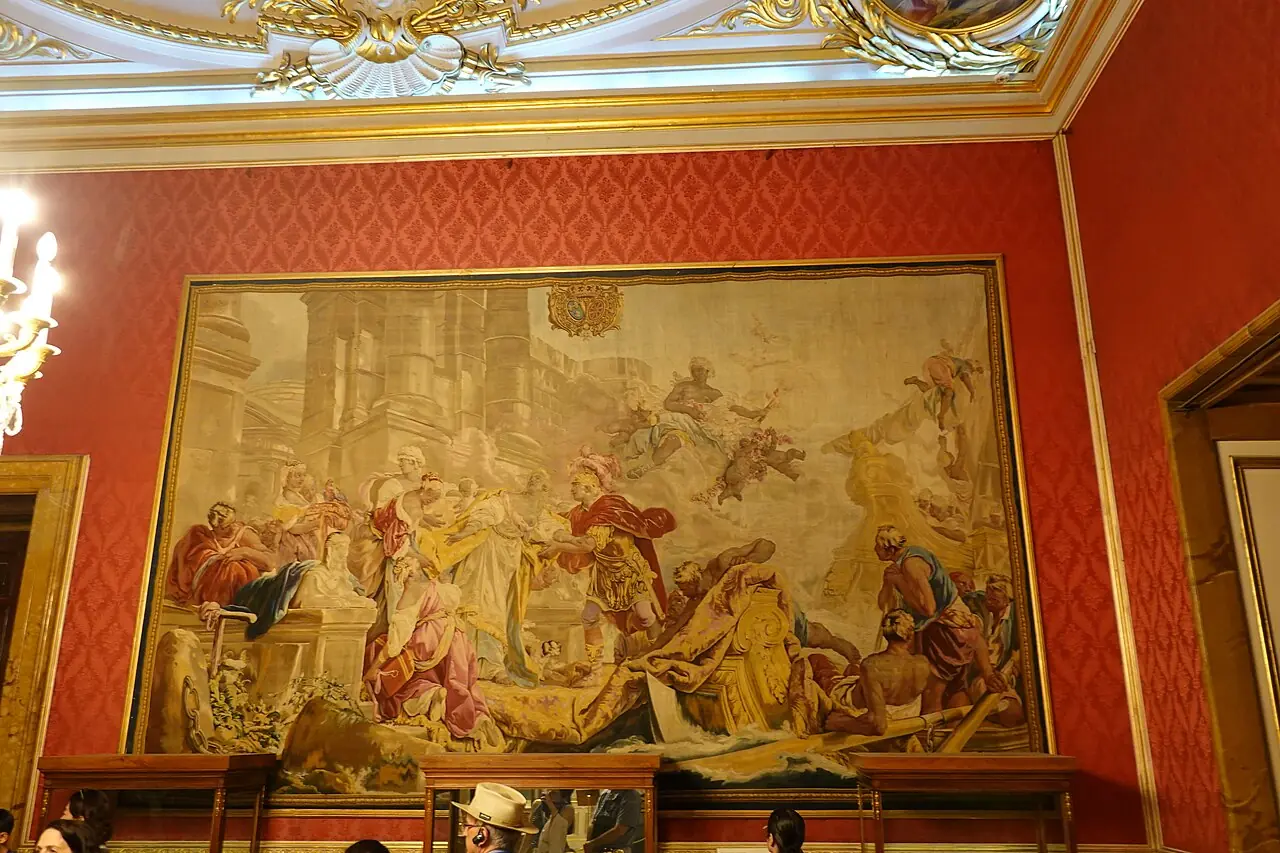
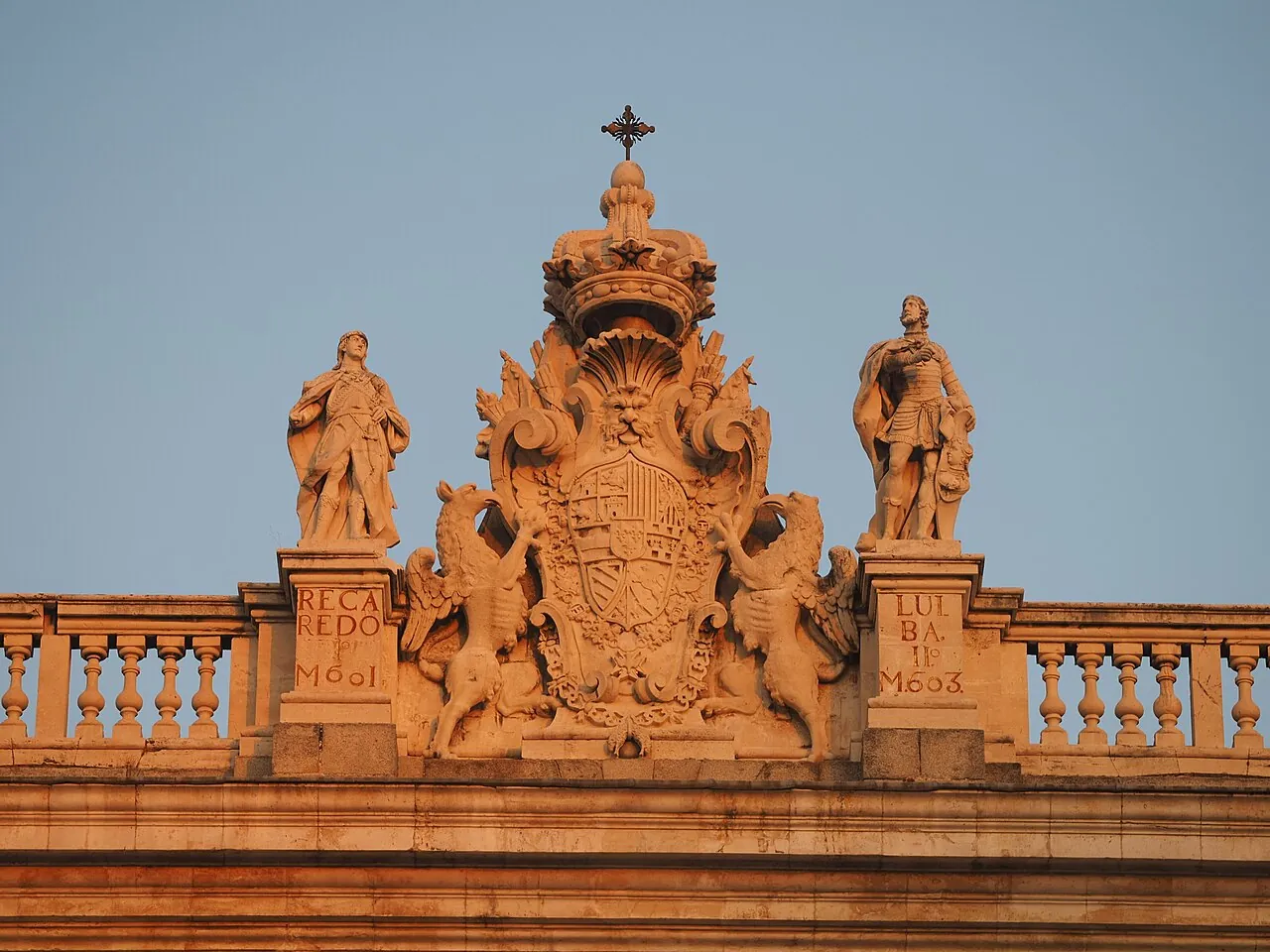
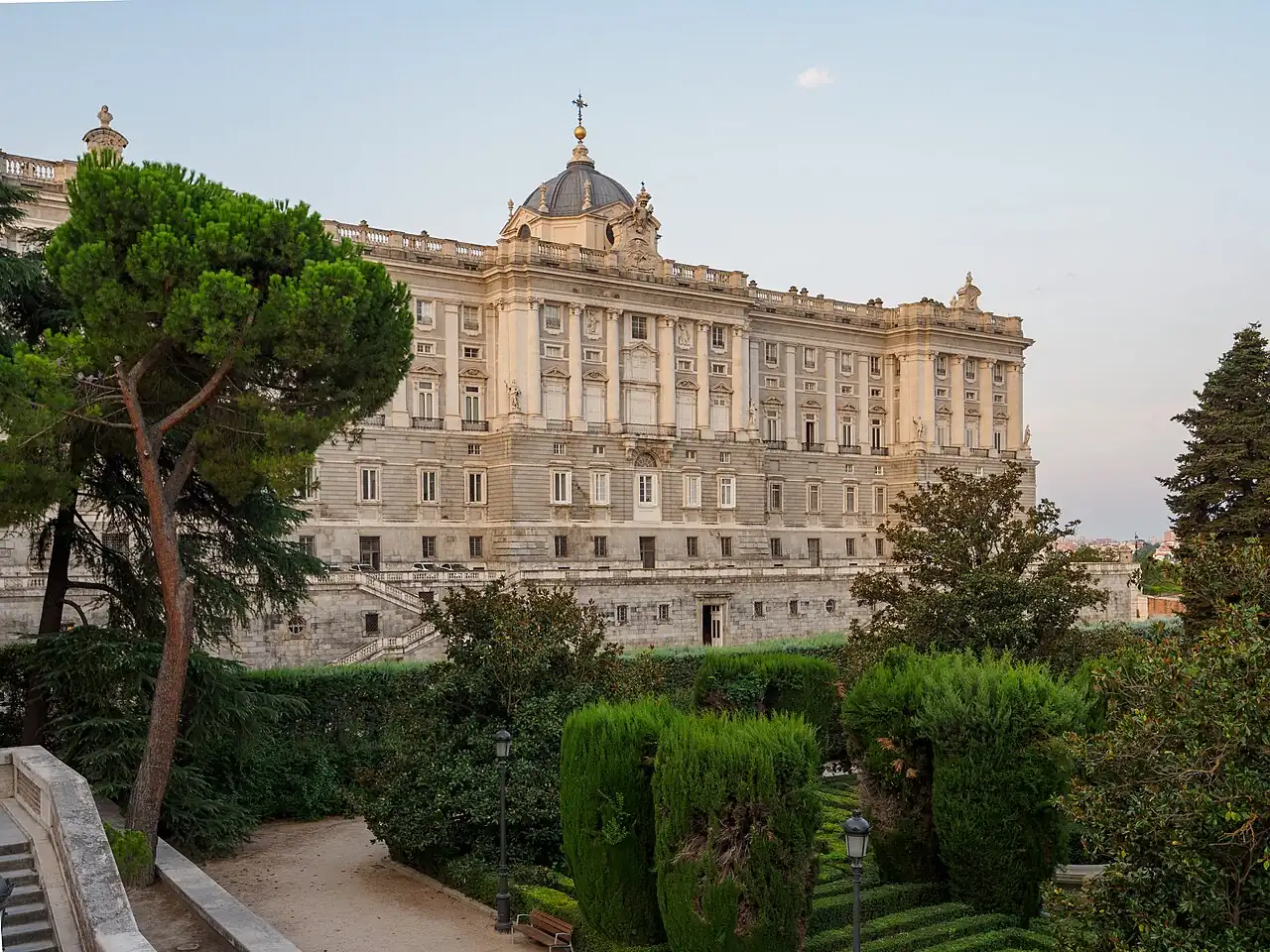
The Royal Palace in pictures
Restoring old parquet floors
If you have a 19th-century paneled parquet at home, we look at it on site before deciding what gets sanded and what gets replaced. More on floors with a history in Old parquet floors.
Sources
- Jose Luis Filpo Cabana, Wikimedia Commons, CC BY 3.0.
- Herbert Frank, Wikimedia Commons, CC BY 2.0.
- Albeins, Wikimedia Commons, Public domain.
- Kevin O’Brien, Wikimedia Commons, CC BY-SA 2.0.
- Jose Luis Filpo Cabana, Wikimedia Commons, CC BY 3.0.
- Michael Gaylard, Wikimedia Commons, CC BY 2.0.
- Kevin O’Brien, Wikimedia Commons, CC BY-SA 2.0 (cropped).
- C messier, Wikimedia Commons, CC BY-SA 4.0.
- Camuñas, Wikimedia Commons, CC BY-SA 3.0 es.
- Joseolgon, Wikimedia Commons, CC BY 4.0.
- C messier, Wikimedia Commons, CC BY-SA 4.0.
- C messier, Wikimedia Commons, CC BY-SA 4.0.
- Kevin O’Brien, Wikimedia Commons, CC BY-SA 2.0.


