
Urea-Formaldehyde in Wood Flooring: Health Risks, Regulations & 2K Waterborne Alternatives
A rigorous look at acid-curing urea-formol finishes: why historic solvent coatings pose enduring indoor air hazards, European emission regulations, and certified non-toxic 2K polyurethane solutions.
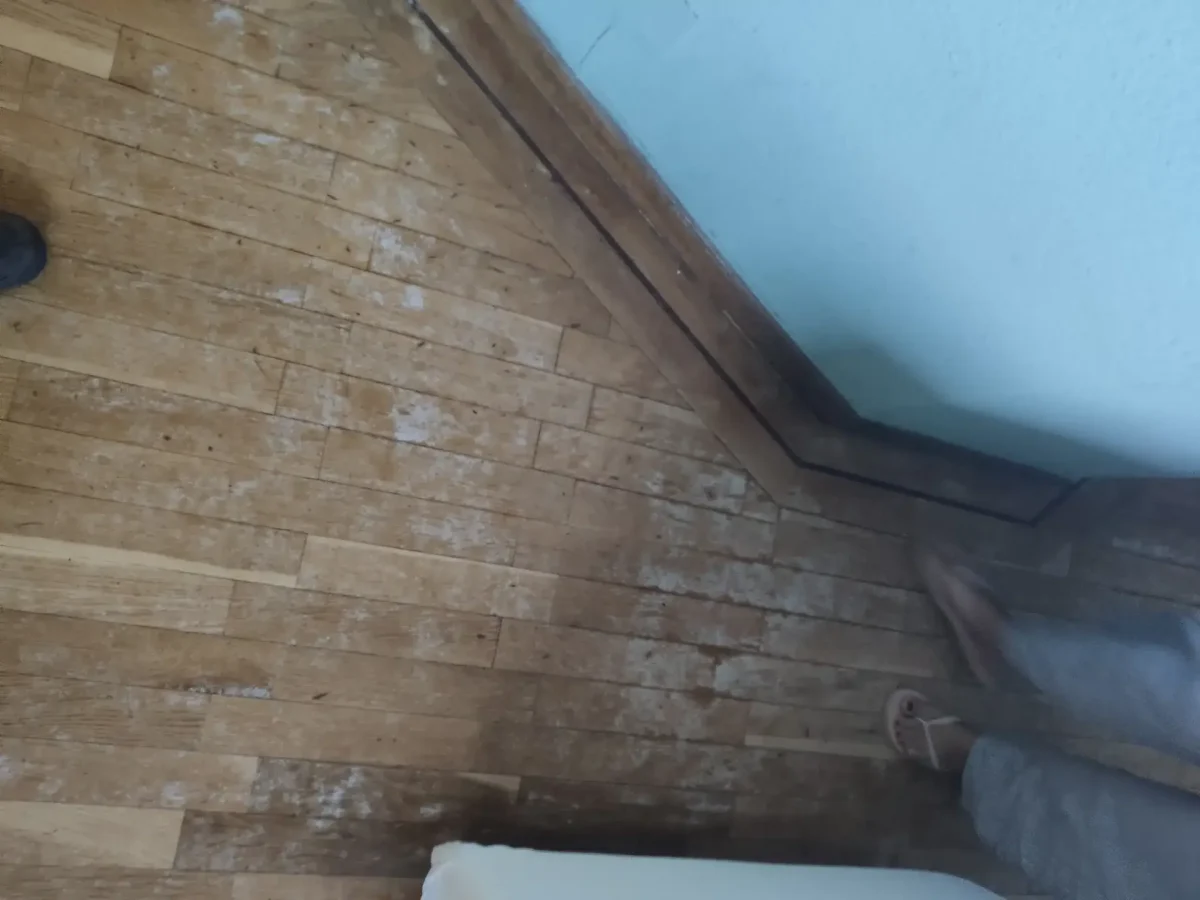
1. The Legacy of Urea-Formaldehyde in Madrid Housing
Between 1970 and the early 2000s, acid-curing urea-formaldehyde (urea-formol) was the predominant floor varnish used in residential renovations throughout Madrid. Contractors favored it because it was inexpensive, dried rapidly via hydrochloric acid catalysts, and initially yielded an extremely hard, glass-like finish.
However, the chemistry behind acid-curing systems is inherently unstable over time. Under temperature fluctuations and indoor humidity changes, the chemical bonds slowly hydrolyze, causing continuous secondary emissions of free formaldehyde gas into residential living spaces for years—long after the initial solvent smell has dissipated.
2. Toxicological Profile & Health Hazards
The International Agency for Research on Cancer (IARC) classifies formaldehyde as a Group 1 human carcinogen with proven links to nasopharyngeal cancer and leukemia. Common physiological reactions to indoor exposure include:
- Sensory irritation of the eyes, nose, and throat even at low airborne concentrations (> 0.05 ppm).
- Respiratory aggravation, increased asthma attacks in children, and chronic bronchospasm.
- Heightened chemical sensitivity and potential neuro-behavioral effects during pregnancy and early infancy.
3. European Standards: EN 717-1, E1, and EMICODE EC1 Plus
European regulations have progressively tightened indoor air quality thresholds. Under EN 717-1 chamber testing, the historic E1 standard (emission ≤ 0.124 mg/m³) has been superseded by much more stringent German AgBB and French VOC A+ guidelines.
The gold standard for modern architectural finishing is EMICODE EC1 Plus, which certifies that total volatile organic compound (TVOC) emissions drop below 60 µg/m³ within 28 days, with formaldehyde emissions virtually undetectable.
4. Safe Remediation: Dustless Stripping & Cyclonic Containment
Homeowners who discover degraded urea-formol coatings should never attempt DIY chemical stripping or uncontrolled sanding. When sanded dry without containment, urea-formaldehyde produces highly toxic crystalline dust that settles into HVAC ducts, soft fabrics, and wall textures.
Professional remediation requires dustless sanding machinery connected to continuous two-stage cyclonic separators with certified high-efficiency filtration. This strips the toxic coating completely down to bare, healthy timber without dispersing hazardous particles.
5. Modern Two-Component (2K) Waterborne Polyurethanes
Once bare timber is restored, we apply advanced two-component (2K) aliphatic waterborne polyurethanes (such as Bona Traffic HD or Pallmann Pall-X 98). These high-performance finishes employ an isocyanate hardener in water emulsion:
- Zero hazardous off-gassing: Non-toxic, water-based carrier with near-zero VOC levels, allowing safe re-entry within 24 hours.
- Aliphatic UV stability: Unlike aromatic solvent varnishes that turn amber or orange, aliphatic polyurethanes remain optically clear and completely non-yellowing.
- Superior mechanical durability: High Taber abrasion resistance and exceptional chemical elasticity, accommodating wood’s natural seasonal movement without cracking.
Safe Floor Refinishing in Madrid
Learn more about our certified dustless restoration protocols on our hardwood floor sanding service page or contact our technical team to schedule an on-site inspection.