

When planning a wood floor, asking for the hardest finish is usually the first reaction to avoid fast wear. However, looking for the mineral rigidity of ceramic tile in a wood floor is a common mistake from the start. Wood is a living material that moves with changes in humidity, so a film that is too rigid ends up cracking at the first impact or concentrated blow.
Strength of the board versus elasticity of the finish
In a hardwood floor two different defenses live together, each with its own job. The wood board itself resists knocks and the concentrated weight of furniture, preventing dents. The finish film, for its part, protects the top face against the wear of daily foot traffic, the grit that comes in on shoes and accidental spills of liquids.
In the Madrid winter, heating dries out the air and drops the relative humidity below 30%, making the wood shrink. For this reason the finish must not only be hard on the surface but also keep its elasticity, so it follows the movement of the board without breaking at the pores or losing adhesion.

Standardized test methods: Taber, Wolff-Wilborn and chemical resistance
In the laboratory, the resistance of a wood finish is not measured with a single figure but with a set of standardized UNE and ISO tests. These tests separately assess wear from friction, surface scratching, elasticity under impact and resistance to household stains:
Finish technologies: 2K formulations versus traditional systems
Two-component (2K) waterborne polyurethane finishes are today the reference solution on demanding jobs and high-traffic spaces. Because the hardener is added to the mix before application, the finish cures into a tough, elastic film. It is also free of harsh odors and carries the EMICODE EC1 Plus environmental certification.
For bedrooms or residential rooms with light traffic, one-component (1K) finishes give balanced, easy-going performance. At the other extreme, the old solvent-based urea-formaldehyde finishes are completely ruled out in our workshop because of their glass-like brittleness and their toxic emissions.
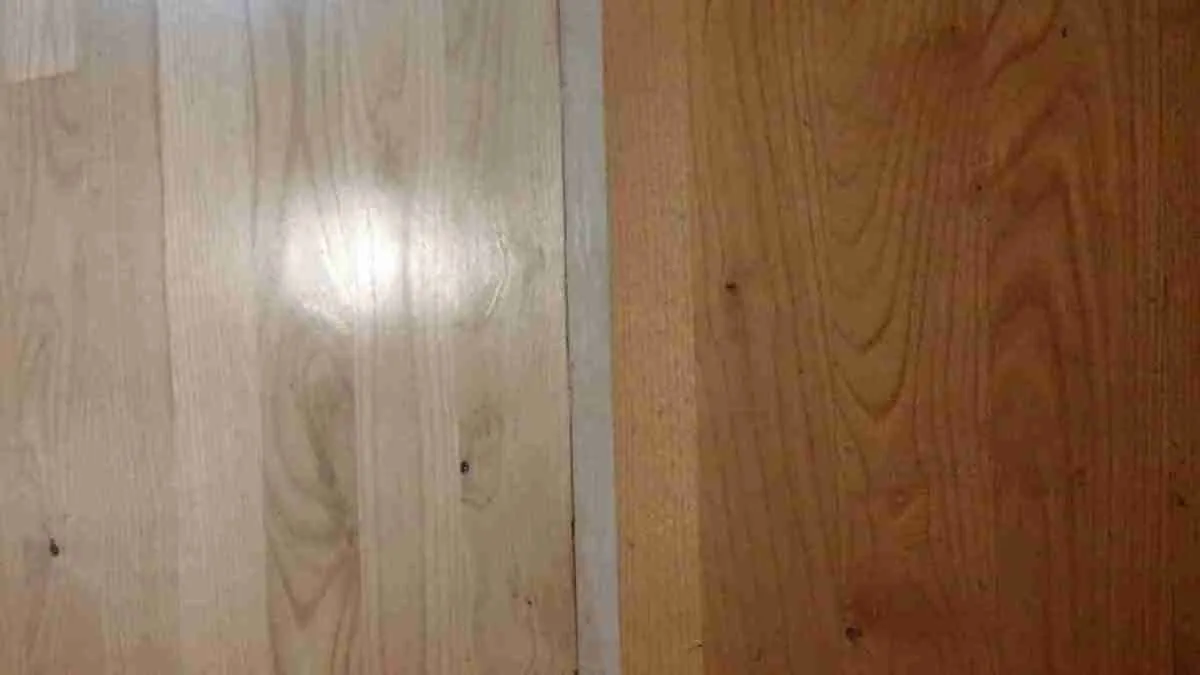
Application protocol and spread rate in the workshop and on site
The best finish on the market loses its effectiveness if the spread rate is skimped or if the previous sanding does not leave the pores just right. At ParkSinta we always apply one sealer coat and two full coats of 2K polyurethane. We keep a controlled consumption of 100 to 120 grams per square meter for each coat.
With that spread rate we get a continuous film of more than 100 microns that protects the wood against daily traffic. Drying allows walking on it in socks 24 hours after the last pass, and the finish reaches full cure and maximum hardness after one week.
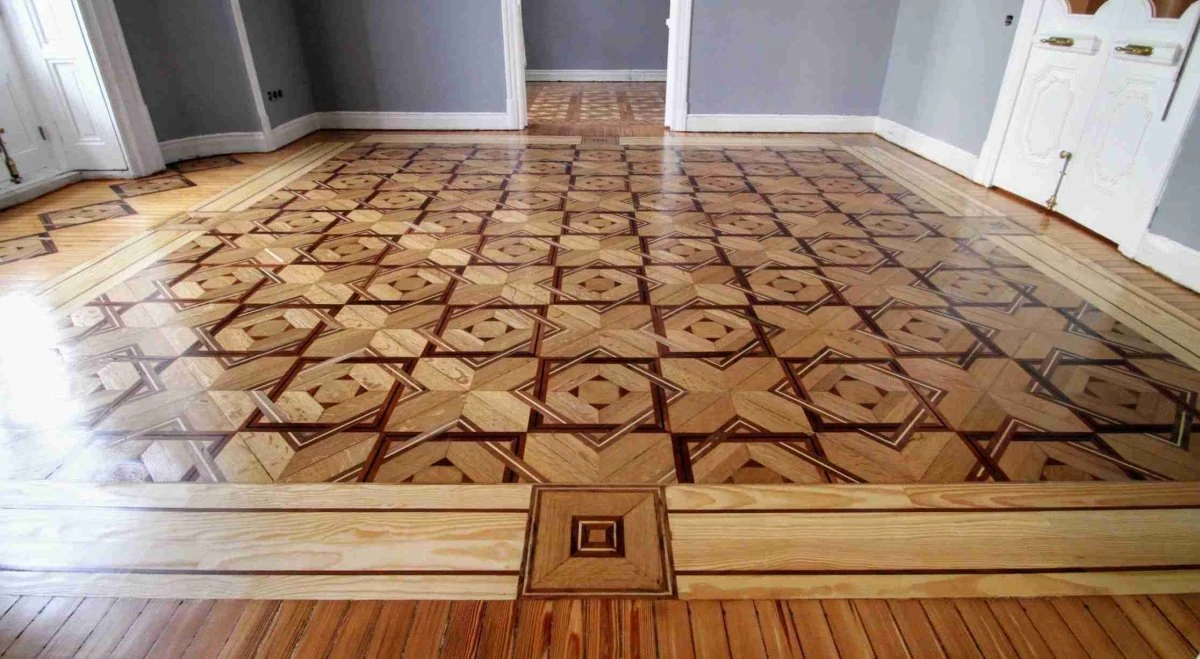
Specifying high-traffic finishes for architecture and one-off projects
At ParkSinta we advise interior designers and builders on specifying finishes for theaters, hotels and commercial spaces in Madrid. To assess the requirements of your project or arrange a technical appointment in Chamberí, call us at +34 91 543 90 62.